
Cleaning strategy matters for dental bridge success
Getting your dental bridge is an exciting milestone. It restores the appearance of your smile, improves chewing and speaking, and can give you greater confidence and enjoyment in everyday life. Enjoying the best performance from your dental restoration goes hand in hand with caring for it properly.
It’s commonly assumed that cleaning a dental bridge is exactly the same as cleaning natural teeth. While much of your usual oral hygiene routine remains unchanged, there are a few important differences. The replacement tooth, known as the pontic, sits above the gum rather than growing from it. This creates a small space underneath where food particles and plaque can collect if they are not effectively removed each day.
Keeping this area clean does more than just protect your bridge. It helps keep the supporting teeth and gums healthy, reduces your risk of gum disease and bad breath, and contributes to the long-term success of your treatment.
Caring for a dental bridge is straightforward once you know the right techniques. With the appropriate tools and a consistent daily routine, you can keep your bridge comfortable, functional, and looking its best while helping it last for many years.
Your bridge is only as strong as the teeth supporting it
Before learning how to clean your bridge, it helps to understand how it is designed.
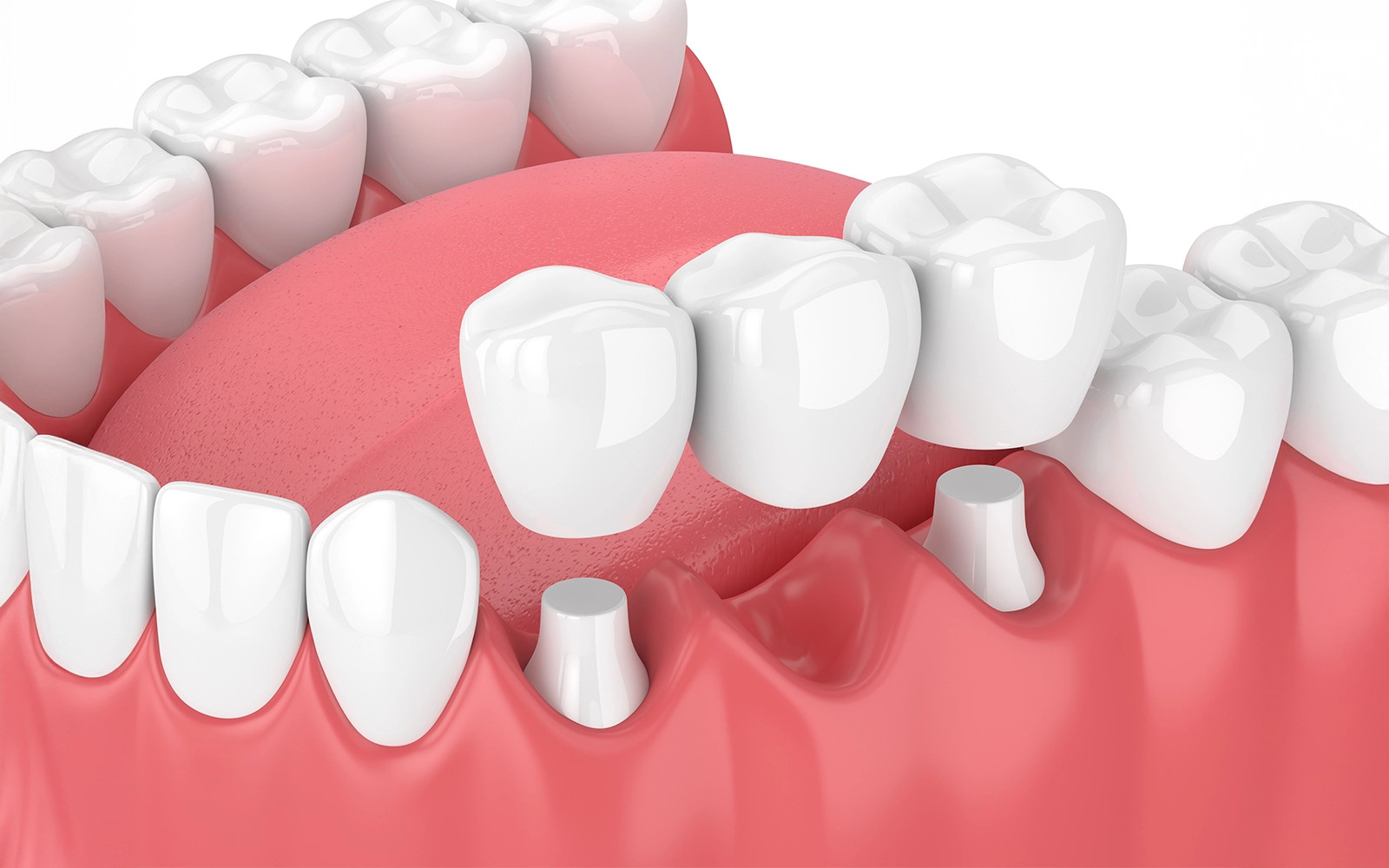
A traditional dental bridge replaces one or more missing teeth by attaching an artificial tooth to the healthy teeth on either side of the gap. These supporting teeth, known as abutment teeth, are fitted with dental crowns that securely anchor the bridge in place.
Unlike a dental implant, which is supported by the jawbone, a bridge relies on these neighbouring teeth for stability. Their long-term health is essential. If decay or gum disease affects the supporting teeth, the bridge may no longer function as intended.
Daily cleaning is therefore about much more than maintaining a bright smile. It is about protecting the foundation that keeps your bridge secure.
Plaque’s secret hideout
Your bridge may look spotless from the outside, yet plaque often hides underneath the replacement tooth. It is one of the easiest areas to overlook, and one of the most important to clean if you want your bridge to last.
Small food particles naturally become trapped beneath the pontic during eating. Plaque also accumulates in this space, particularly along the gumline. Food trapped beneath a bridge does not simply wash away on its own. Bacteria feed on these particles and form plaque, which can irritate the gums and eventually affect the supporting teeth. Since these supporting teeth hold the bridge securely in place, keeping them healthy is essential to the long-term success of your restoration. If left undisturbed, bacteria multiply and may contribute to:
- Bad breath
- Gum inflammation
- Bleeding gums
- Tooth decay affecting the supporting teeth
- Gum disease
- A shortened lifespan for the bridge
Regular cleaning removes this build-up before it causes problems. It only takes a few extra minutes each day and can make a significant difference over time. Aim to clean underneath your bridge at least once each day, ideally before going to bed when plaque has the greatest opportunity to build up overnight.
Dental tools for easier bridge bridge cleaning
A standard toothbrush remains the foundation of good oral hygiene, although most people with a dental bridge benefit from using a few additional cleaning aids.
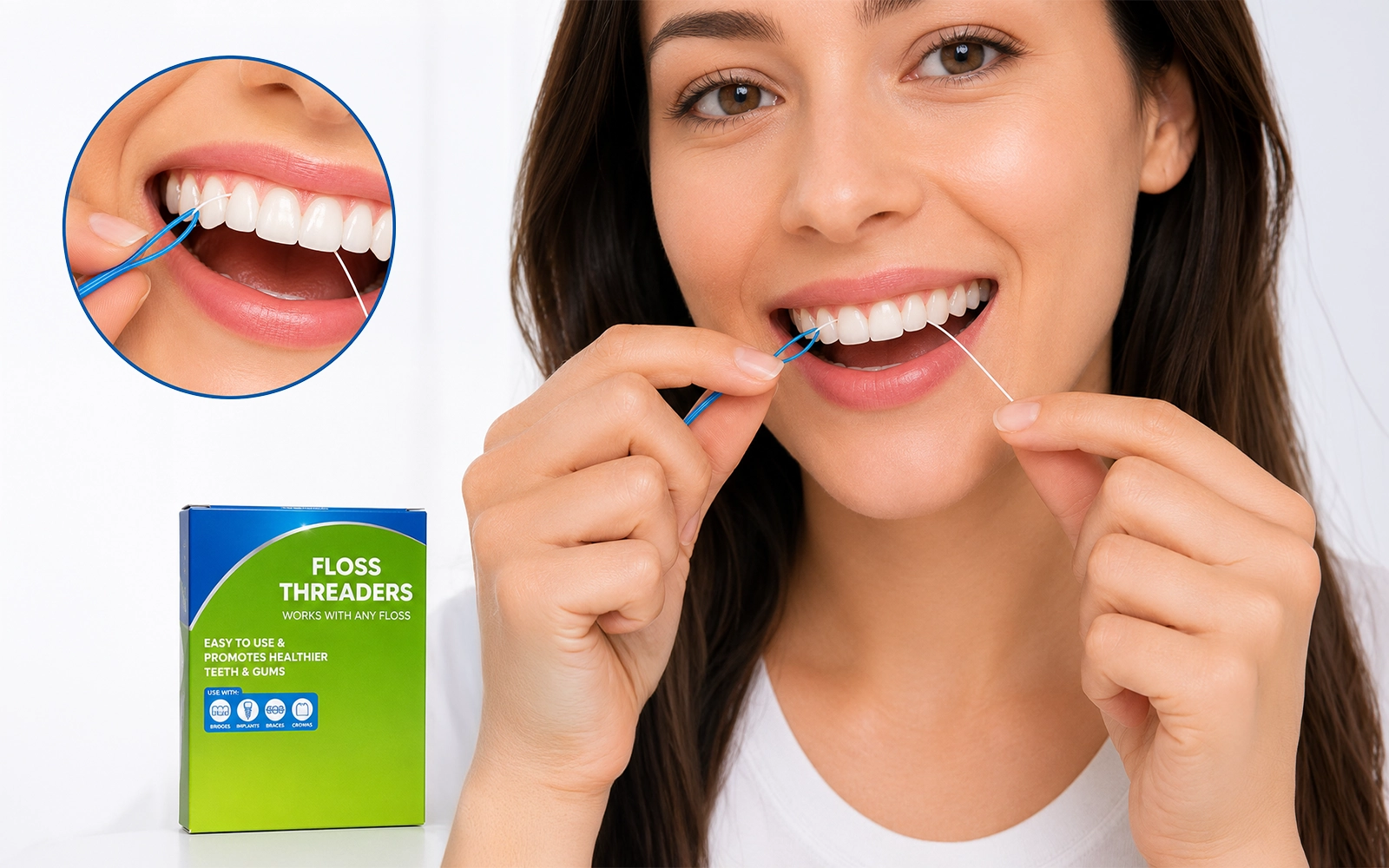
Superfloss or a floss threader
Conventional floss cannot simply be snapped between the teeth once a bridge is in place. Instead, specialised floss with a stiffened end, or a floss threader, allows you to guide the floss underneath the pontic.
Once threaded beneath the bridge, gently move the floss back and forth to remove plaque and trapped food. Clean along the underside of the bridge as well as around the supporting teeth before carefully removing the floss.
The first few attempts can feel awkward, especially if you’ve never used a floss threader before. Most patients find it becomes second nature within a week or two. Once you’ve mastered the technique, cleaning your bridge usually only adds a minute or two to your daily routine.
Interdental brushes
Interdental brushes are small brushes designed to reach areas where a regular toothbrush cannot.
Depending on the shape of your bridge and the size of the spaces around it, these brushes can be particularly effective for removing plaque around the margins of the bridge and between the supporting teeth.
Your dentist or oral health therapist can recommend the correct size, as using one that is too large may damage the gums.
Water flossers
Many patients choose a water flosser because it makes cleaning around a bridge quicker and more comfortable. It is particularly helpful for people who find floss threaders difficult to use or have reduced hand dexterity. While a water flosser is an excellent addition to your routine, it should complement rather than replace brushing and flossing.
Brush your bridge the best way
Brushing thoroughly every day is one of the most effective ways to protect your dental bridge and the teeth supporting it. Brush twice a day with a soft-bristled toothbrush and fluoride toothpaste, taking at least two minutes to clean every surface.
Don’t rush past the gumline. This is where plaque is most likely to build up, particularly around the edges of the bridge where it meets your natural teeth.
Hold the toothbrush at about a 45-degree angle towards the gums and use gentle circular motions. A soft-bristled toothbrush removes plaque effectively while being gentle on your gums and the surface of your bridge.
Can any toothpaste damage your bridge?
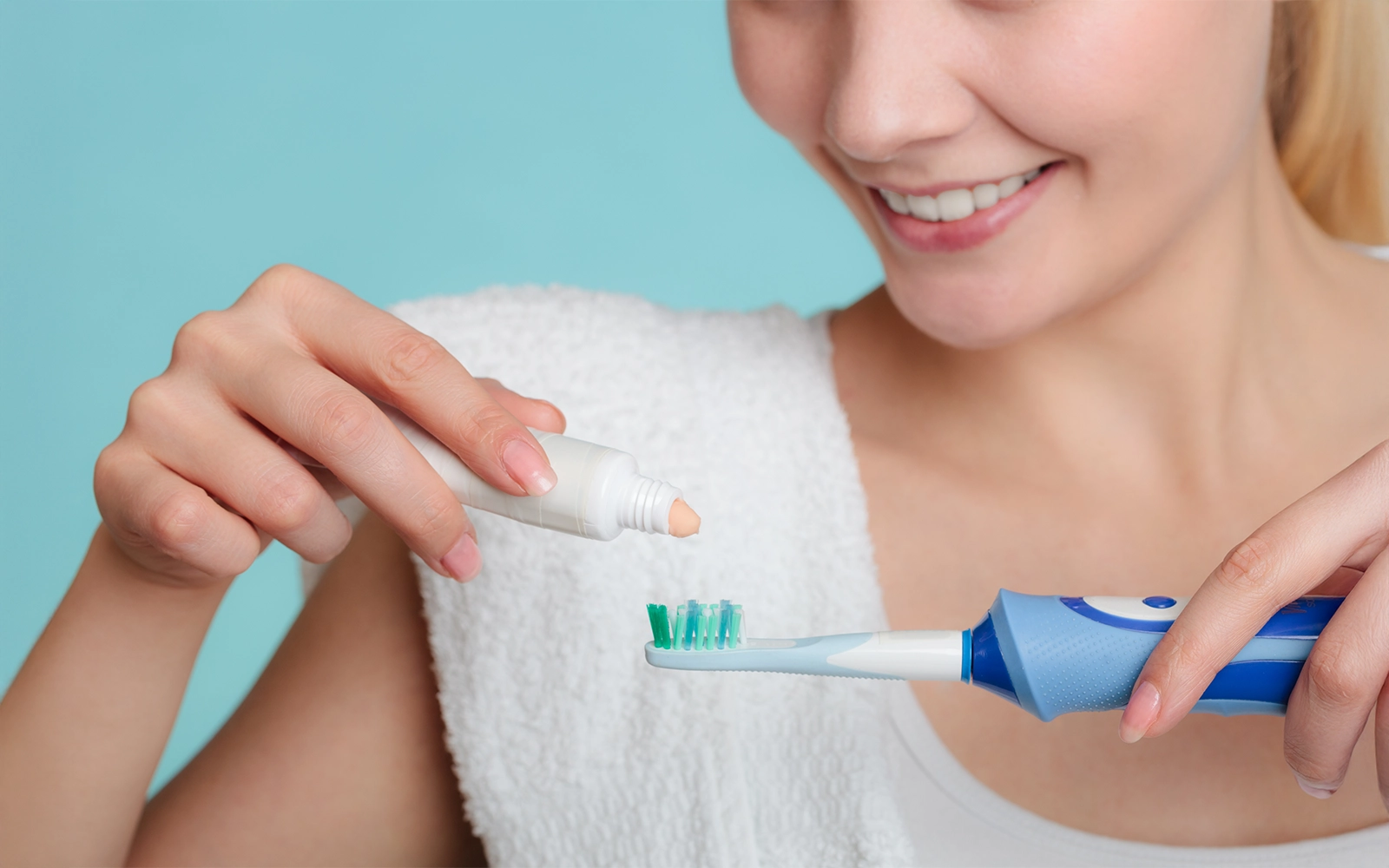
Most fluoride toothpastes are suitable for people with dental bridges. The main consideration is avoiding products that are highly abrasive.
Some whitening and smoker’s toothpastes contain stronger polishing agents that may gradually dull or scratch porcelain or composite surfaces. Although the damage is usually subtle, repeated use over many years can affect the appearance of the restoration.
If you are unsure which toothpaste is most appropriate, ask your dentist for a recommendation based on the material used in your bridge.
Small habits to add years to your bridge
Good cleaning is only one part of maintaining a dental bridge. Everyday habits also play an important role.
Avoid using your teeth as tools
Opening packages, biting fingernails, chewing pen caps or cracking ice places unnecessary stress on both natural teeth and dental restorations.
Although dental bridges are made from strong materials, excessive force increases the risk of chipping, cracking or loosening over time.
Be mindful of very hard foods
Most foods can be enjoyed once you have adjusted to your bridge.
Very hard foods such as hard lollies, popcorn kernels and ice should be approached with care. Biting directly into particularly firm foods can place significant pressure on the bridge and supporting teeth.
Cutting harder foods into smaller pieces often helps reduce unnecessary force. There is usually no need to avoid these foods altogether. A little extra care when eating them is often enough to protect your bridge.
If you grind your teeth, seek advice
Many people clench or grind their teeth during sleep without realising it.
Night-time grinding, known as bruxism, places repeated pressure on both natural teeth and dental restorations. Over time, this may contribute to excessive wear or damage.
If your dentist notices signs of grinding, a custom-made nightguard may help protect your bridge while you sleep.
Design your lifestyle for long-term oral health
Looking after your overall oral health also helps your bridge perform at its best.
Eating a balanced diet, limiting frequent sugary snacks and drinks, staying well hydrated, and avoiding tobacco all contribute to healthier teeth and gums.
These simple lifestyle choices reduce the risk of decay around the supporting teeth and help maintain healthy gum tissue that supports your bridge.
Is your bridge trying to tell you something?

A well-fitting dental bridge should feel comfortable and stable.
If you notice any of the following changes, arrange an appointment with your dentist rather than waiting for your next routine visit:
- Persistent bad breath or a lingering unpleasant taste around the bridge
- Bleeding, swollen or tender gums
- Pain when biting or chewing
- Increased sensitivity to hot or cold
- A bridge that feels loose or moves slightly
- Cracks, chips or visible damage
- Food becoming trapped more frequently than before
Early assessment often allows smaller issues to be managed before they become more complex.
How long should a dental bridge last?
Most well-made dental bridges can last 10 to 15 years or even longer with excellent care. The biggest factor isn’t usually the bridge itself. It’s the health of the supporting teeth and gums.
Many patients enjoy their bridge for well beyond a decade when they maintain good oral hygiene and attend regular dental check-ups.
Why regular dental visits remain important
Even the most thorough home care can’t remove hardened tartar or identify every developing problem.
Routine dental examinations allow your dentist to assess the health of the supporting teeth, evaluate the condition of the bridge, examine the surrounding gums and professionally remove plaque and calculus that brushing cannot eliminate.
These appointments also allow small problems to be identified before they become more complex or costly to treat.
Professional cleans also help keep difficult-to-reach areas healthy and provide an opportunity to review your cleaning technique if needed.
Most people benefit from check-ups every six months, although your dentist may recommend a different schedule based on your individual needs.
Small habits for lasting results
Lasting results rarely come from a single treatment alone. They come from the small habits that protect your dental bridge day after day, helping it continue to look, feel and function at its best.
Caring for your bridge does not need to be complicated. A few extra minutes each day, combined with the right cleaning techniques and regular dental check-ups, can help protect both your bridge and the healthy teeth supporting it. With consistent care, your bridge can continue serving you well for many years, allowing you to smile, eat and speak with confidence every day.