
Vapes versus oral health
We know cigarettes are bad, but what about vaping? Old-school cigarettes are widely understood to be harmful to health in a myriad of ways, but the rise of vaping has left many people wondering what these sleek devices are doing to their bodies. Flavoured vapours may smell sweet or fresh, yet the tissues inside your mouth are much less forgiving. Unfortunately, vapes are far from harmless.
The rise of vaping is steep, and so is the risk to oral health. Recent data from the 2022–2023 National Drug Strategy Household Survey indicate that daily e-cigarette use in Australia has increased significantly, from approximately 0.5% of the population in 2016, or around 100,000 people, to 3.5% in 2022–2023, or approximately 700,000 people. That substantial increase means more mouths are being exposed to vape aerosol than ever before.
Vaping is often presented as a cleaner alternative to smoking. Without tobacco, many assume there’s little to worry about. From the perspective of oral health, that belief can be misleading. The mouth is usually the first site where vaping-related changes emerge, sometimes subtly, and before any pain is felt.
What exactly is vaping?
Vaping involves inhaling an aerosol produced by an electronic cigarette or vape device. This aerosol is formed when a liquid, commonly known as e-liquid or vape juice, is heated. Most e-liquids contain a combination of nicotine, flavourings, and carrier chemicals such as propylene glycol and vegetable glycerine.
Unlike traditional cigarettes, vaping does not involve burning tobacco. While this distinction is often highlighted in discussions about lung health, it does not make vaping harmless to the mouth. Each inhale delivers vapour directly across the teeth, gums, tongue, and oral tissues. Saliva is also affected, meaning the entire oral environment is repeatedly exposed, often many times throughout the day.

Removing tobacco does not eliminate risk
A common misconception is that vaping is safe simply because it is tobacco-free. In reality, many e-liquids still contain nicotine, a substance known to restrict blood flow and interfere with the body’s natural healing processes. In the mouth, this can compromise gum health and reduce the ability of tissues to repair themselves.
Even nicotine-free vapes are not without concern. The aerosol still carries chemicals that can irritate soft tissues, dry the mouth, and disrupt the natural balance of bacteria that helps protect against decay and gum disease.
Flavouring agents add another layer of risk. Sweet and acidic flavours can linger on tooth surfaces and soft tissues, creating conditions that encourage bacterial growth. Over time, this can increase the likelihood of cavities, gum inflammation, and other oral health problems.
What’s hiding in your vape?
Vaping products are often presented as clean or straightforward, yet the vapour they produce is chemically complex. Research shows that vapes can contain more than 200 different chemicals. These come from three main sources: the ingredients in the e-liquid itself, new compounds formed when the liquid is heated, and contaminants that develop over time, including heavy metals that can leach from the device into the liquid.
Common e-liquid ingredients such as propylene glycol and vegetable glycerine may be considered safe for consumption, but heating and inhaling them alter their behaviour. When exposed to high temperatures, they can break down into substances such as formaldehyde and acetaldehyde, which are known to irritate tissues and cause cellular damage with repeated exposure. Studies comparing e-liquids with the aerosol they produce show that all original ingredients are present in the vapour, along with additional by-products created during heating.
Some of the chemicals identified in vape aerosol are also found in industrial and household products, including cleaning agents, nail polish remover, weed killers, and insect sprays. Regular inhalation exposes the mouth to these substances repeatedly, placing ongoing stress on the teeth, gums, saliva, and soft tissues that form the mouth’s natural protective barrier.
Dry mouth and reduced saliva protection
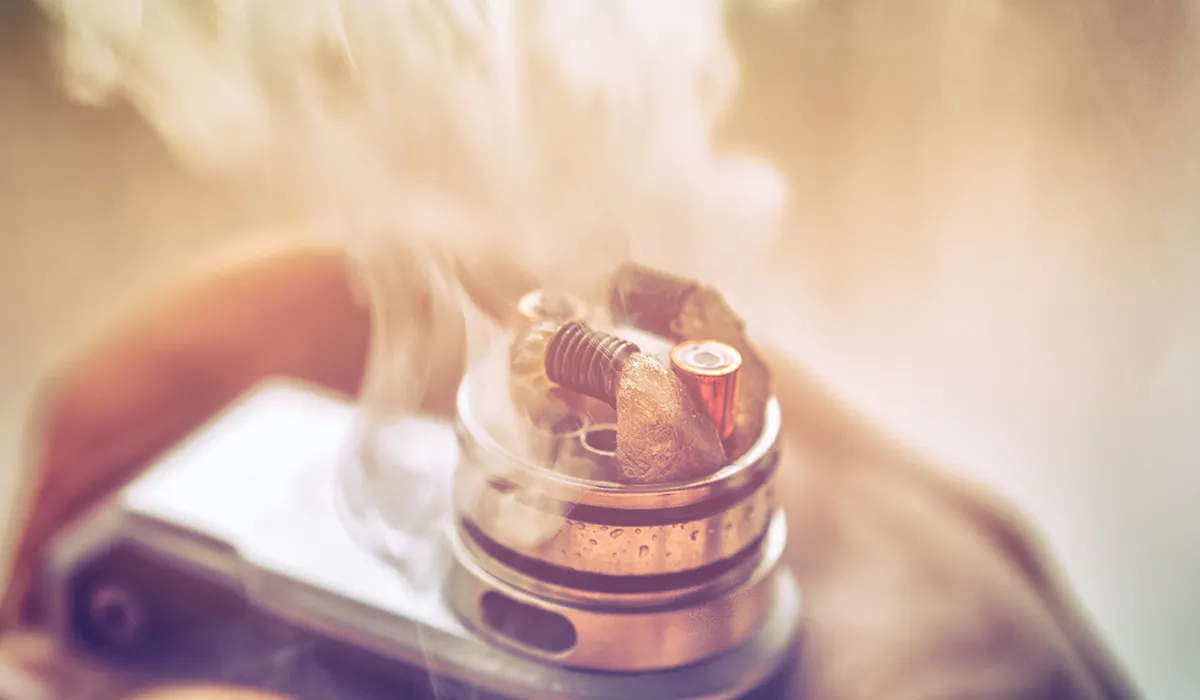
Dry mouth is one of the earliest and most common oral effects of vaping. Ingredients such as propylene glycol attract and remove moisture from oral tissues, leading to reduced saliva flow.
Saliva is essential for maintaining a healthy mouth. It neutralises acids, helps wash away food particles, and limits the growth of harmful bacteria. When saliva levels fall, the risk of tooth decay, gum inflammation, and persistent bad breath increases significantly. Many people who vape are unaware of dry mouth until cavities or gum problems begin to develop.
Gum disease and compromised gum health
Healthy gums depend on good blood supply and a stable bacterial balance. Nicotine constricts blood vessels, reducing oxygen and nutrient delivery to the gums. This weakens the tissues’ ability to fight infection and repair damage.
In people who vape, early signs of gum disease, such as redness, swelling, or bleeding, may be less obvious because nicotine can suppress visible inflammation. Despite this, the disease can continue to progress beneath the surface, leading to gum recession, bone loss, and eventual tooth instability if left untreated.
Tooth decay and enamel breakdown
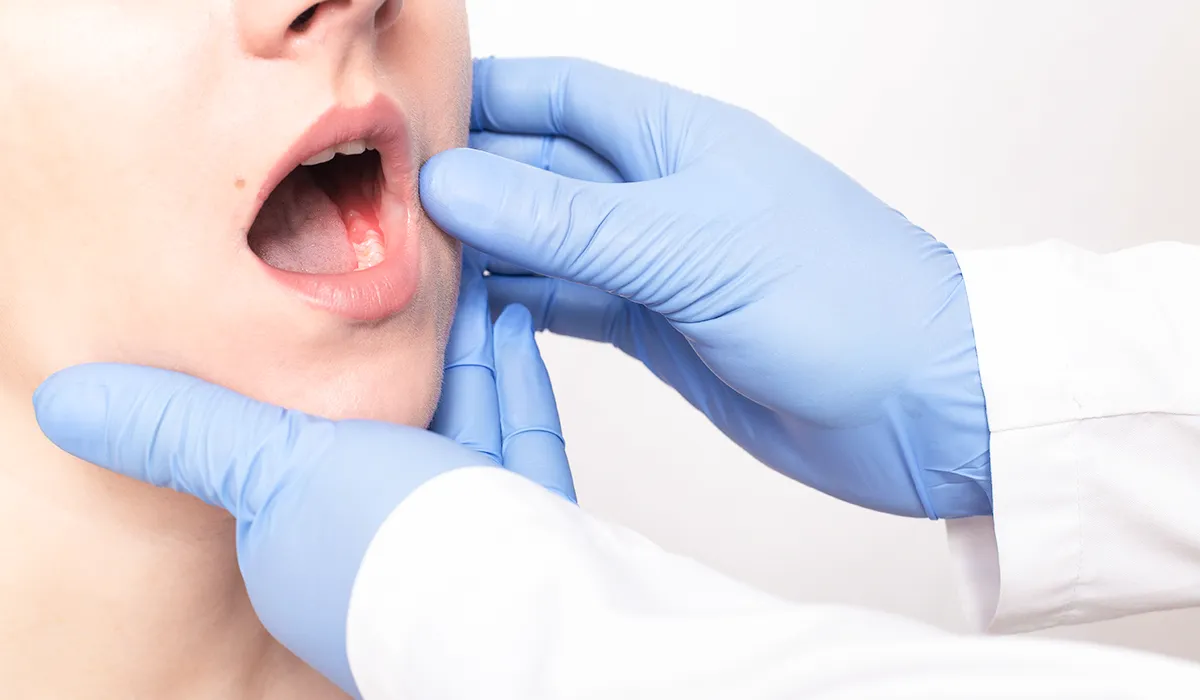
Vapes do not contain sugar in the traditional sense, but many flavoured e-liquids are sweetened and acidic. These substances can adhere to tooth surfaces, feeding decay-causing bacteria and gradually softening enamel.
When combined with dry mouth, this creates a higher-risk environment for cavities. Decay often develops along the gumline and between teeth, areas that are more difficult to clean and where problems can remain unnoticed until significant damage has occurred.
Coated tongue, altered taste, and bacterial imbalance
A coated or furry-looking tongue is frequently seen in people who vape. This occurs when dead cells, bacteria, and debris accumulate on the tongue’s surface, often made worse by reduced saliva flow.
Disruption of the normal oral bacteria can also affect taste perception and contribute to ongoing bad breath. Even with regular brushing, the mouth may struggle to restore balance when vaping continues to interfere with its natural cleansing mechanisms.
Oral infections and weakened immune response
Vaping can alter the mouth’s immune defences, increasing susceptibility to infections such as oral thrush and other fungal or bacterial conditions. Reduced saliva, tissue irritation, and changes in microbial balance create favourable conditions for these infections to develop.
Infections may present as soreness, white patches, burning sensations, or difficulty swallowing. Without early intervention, they can become recurrent or more difficult to manage.
Slower healing and higher treatment risks
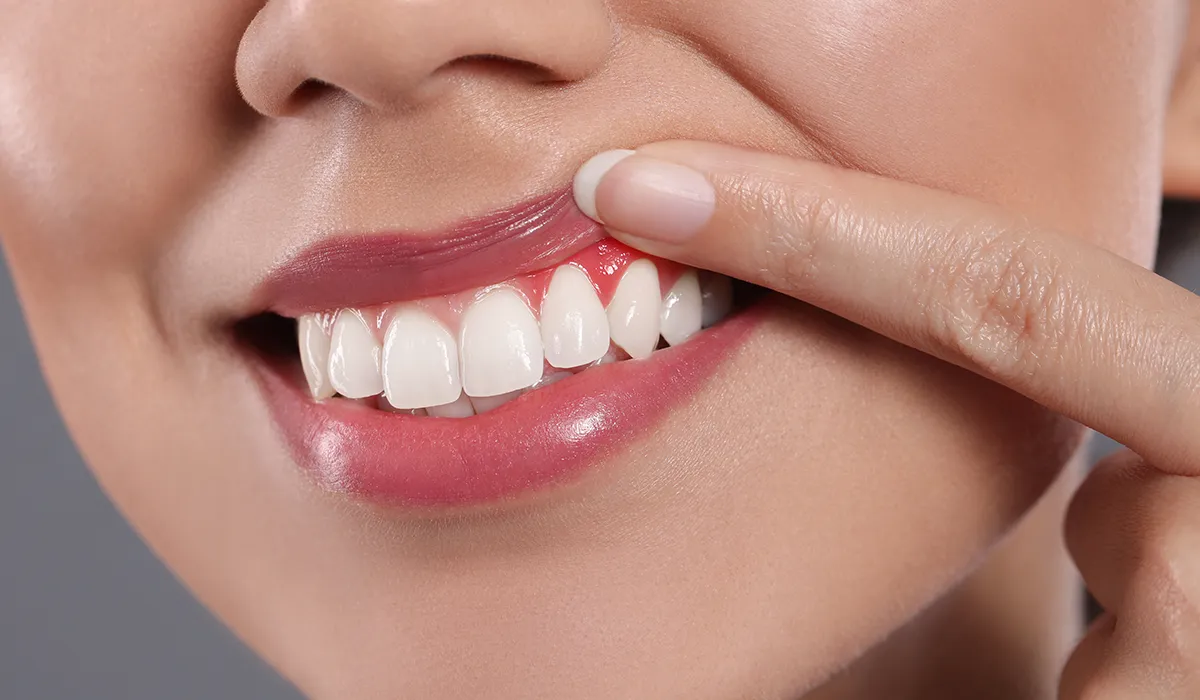
Under normal conditions, the mouth has a strong capacity to heal. Nicotine interferes with this process by restricting blood flow and impairing cellular repair. As a result, people who vape may experience delayed healing after extractions, gum treatment, or oral surgery.
Slower recovery increases the risk of complications, discomfort, and prolonged inflammation. This is one reason dental professionals routinely ask about vaping habits when planning and assessing treatment outcomes.
Oral cancer risk and effects beyond the mouth
Research into the long-term cancer risks of vaping is still evolving, but early evidence suggests cause for concern. Vape aerosol contains chemicals known to damage cells and DNA, which may increase the risk of oral and throat cancers over time.
Beyond the mouth, vaping has been linked to inflammation throughout the body, including effects on the respiratory and cardiovascular systems. What enters the mouth does not stay there; repeated exposure can influence overall health as well as oral wellbeing.
If you vape, here’s how to protect your smile
Avoiding vapes altogether is best for oral health, but if you aren’t taking that route here are some steps to can help reduce its impact on your teeth and gums:
- Stay well hydrated throughout the day to help counteract dry mouth and support healthy saliva flow
- Brush twice daily with fluoride toothpaste and clean between teeth daily using floss or interdental brushes
- Gently clean your tongue to reduce bacterial build-up linked to bad breath and oral infections
- Rinse your mouth with water after vaping to help clear residual chemicals and acids
- Avoid frequent, all-day vaping sessions that keep oral tissues under constant exposure
- Do not vape just before bedtime, when saliva flow naturally decreases
- Attend regular dental check-ups and professional cleans for early detection of changes
- Tell your dentist if you vape, as this helps guide preventive care and treatment planning
Your proactive approach can significantly reduce some of the risks that your less-than-healthy habits introduce. It’s all about taking a little of the strain off your mouth’s natural defences.
Smile stronger with better habits and professional care
Strong smiles aren’t luck. They’re built through good choices. Vaping may seem gentler than smoking, but its effects on teeth and gums are real and often underestimated. Many changes develop quietly, without discomfort, until more complex treatment becomes necessary.
Regular dental visits allow early detection of dry mouth, gum disease, enamel wear, and other issues before they progress. When combined with diligent daily oral hygiene, these check-ups play a vital role in preserving long-term oral health.
Protecting your smile comes down to informed choices, consistent care, and professional guidance. Prioritise your oral health today so your teeth and gums stay strong, healthy, and resilient for years to come. The choices you make now shape the smile you carry into the future.