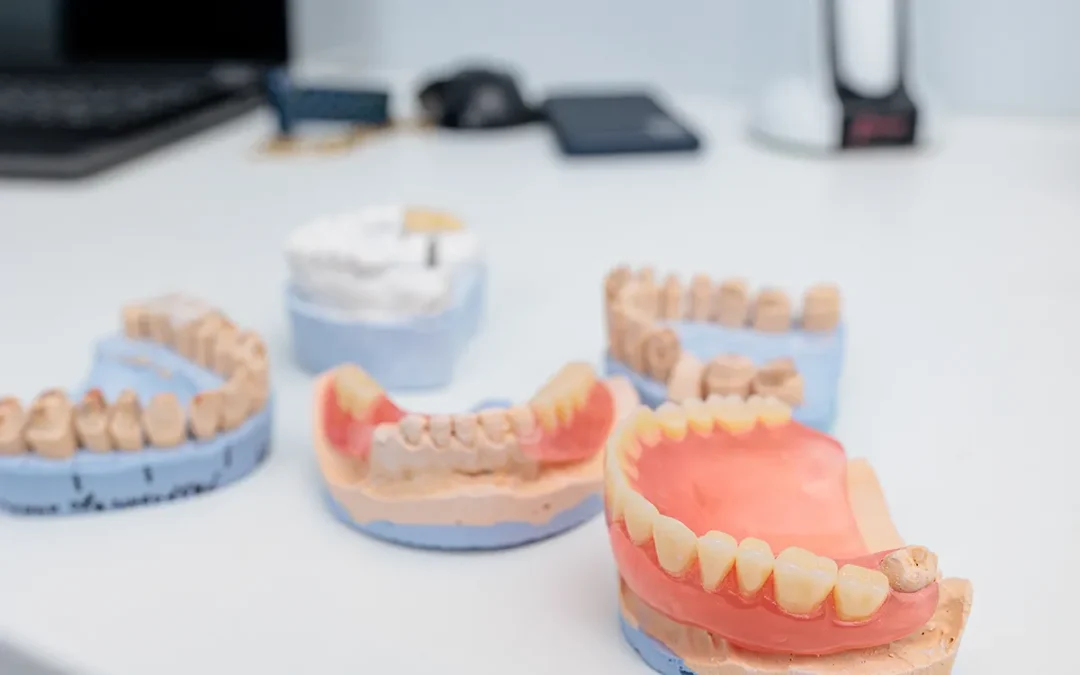
TLC for dentures is RRR: Reline. Repair. Replace.
Loose, painful, or just not fitting right? Your dentures might be trying to tell you something. A quick reline, repair, or replacement can bring back comfort and confidence.Just like a car that runs smoothly with regular servicing, your dentures also need routine care to keep performing at their best.
Over time, your dentures may loosen, change shape, or develop minor issues as your mouth naturally shifts. That’s completely normal, and with the right care and support, it’s easy to fix. Nothing to stress about, and nothing to hide.
This is where the RRR protocol of denture maintenance comes in: Reline, Repair, and Replace.
Understanding what these mean (and when you might need them) helps you stay comfortable, prevent irritation, and avoid unexpected denture troubles down the track. Let’s see how staying on top of your dentures’ RRR keeps them in good shape.
What are dentures?
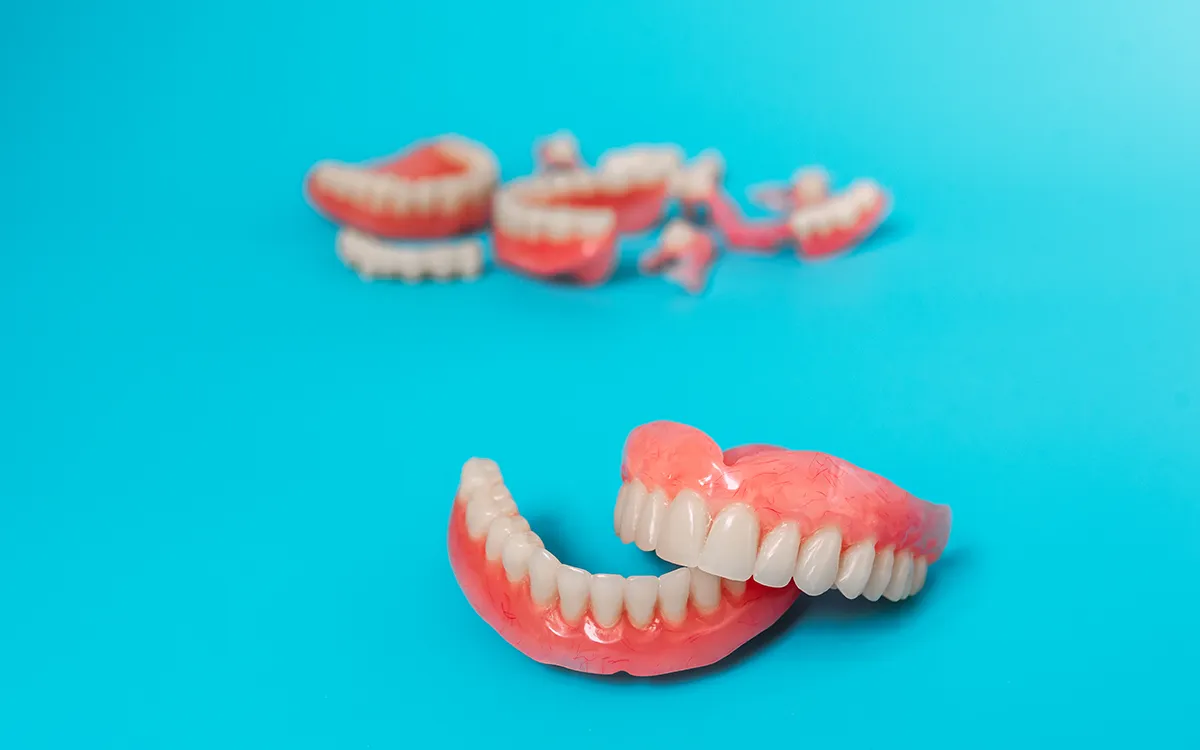
Dentures are custom-made, removable appliances that replace missing teeth and the surrounding gum tissue. They restore essential functions like chewing, speaking clearly, and maintaining the natural shape of your face, which can be affected when teeth are lost. A well-fitting denture also helps prevent changes in your jawbone and supports overall oral health.
Common types of dentures
- Full dentures: Replace all teeth in the upper or lower jaw. They are usually made for people who have lost all their natural teeth in an arch.
- Partial dentures: Replace one or more missing teeth and attach to the remaining natural teeth using clasps or precision attachments.
- Immediate dentures: Placed right after teeth are removed, allowing you to maintain appearance and function while your gums and bone heal. These often require adjustments as healing progresses.
- Implant-supported dentures: Attach to dental implants for extra stability and retention, reducing movement and improving comfort during chewing and speaking.
Thanks to advances in materials, digital scanning, and modern dental techniques, today’s dentures are lighter, more comfortable, and look more natural than ever — helping you smile, eat, and speak with confidence.
Why denture maintenance matters
Even the highest-quality denture won’t stay perfect forever. That’s because your mouth is constantly changing — and your denture needs to change with it.
Proper maintenance helps you avoid:
- Sore spots and gum irritation
- Loose or unstable dentures
- Difficulty chewing
- Speech changes
- Broken bases or chipped teeth
- Oral infections, including fungal irritation
- Premature wear and tear
Healthy dentures support your overall well-being. Poorly fitting dentures, on the other hand, can affect how you eat, speak, and even how your jaw functions.
Signs your denture may need one of the 3 R’s
You may be ready for a reline, repair, or replacement if you’re noticing:
- A loose or wobbly denture
- Food getting trapped underneath
- Difficulty chewing
- Changes in how the denture looks or fits
- Cracks or small fractures
- Discomfort, sore spots, or pressure points
- Slurred or unclear speech
- Repeated breakages
- A denture that is 5–7 years old
Any change in comfort or function is worth checking.

Reasons why dentures need to be relined, repaired, or replaced
Dentures don’t simply “stop fitting” or break randomly — there are specific, natural reasons behind issues arising.
- Bone loss in the jaw
- Gums shrinking or reshaping
- Healing after extractions
These cause the denture to loosen over time, which is why relines are often needed.
Chewing forces, cleaning, and everyday use slowly wear down the denture base and teeth. Aging materials can become thinner, rougher, or less stable.
- Dropping dentures
- Pets chewing them
- Biting into very hard foods
These situations often lead to cracks, broken teeth, or snapped acrylic that require repair.
As your mouth changes, dentures may no longer support the lips, cheeks, or bite properly — eventually requiring replacement.
A denture that’s even slightly off can develop weak spots, leading to quick fractures.
Even with immaculate care, denture materials weaken over time. Most dentures need replacing every 5–7 years to maintain proper function and comfort.
RRR for optimally maintained dentures
A denture reline adjusts how your denture sits on your gums. Because gum tissue naturally changes and shrinks over time, relining restores a snug, comfortable fit and prevents discomfort or movement.
- Soft reline: Cushioned material, ideal for tender gums or recent extractions
- Hard reline: Stronger, longer-lasting material for a firmer fit
- Loose or unstable dentures
- Gum soreness or irritation
- Difficulty chewing
- Your denture “floats” when speaking or eating
A reline can make an old denture feel brand new again — without replacing it entirely.
A denture repair restores a damaged denture so it’s safe and comfortable to use again. Repairs are often quick and effective for issues such as:
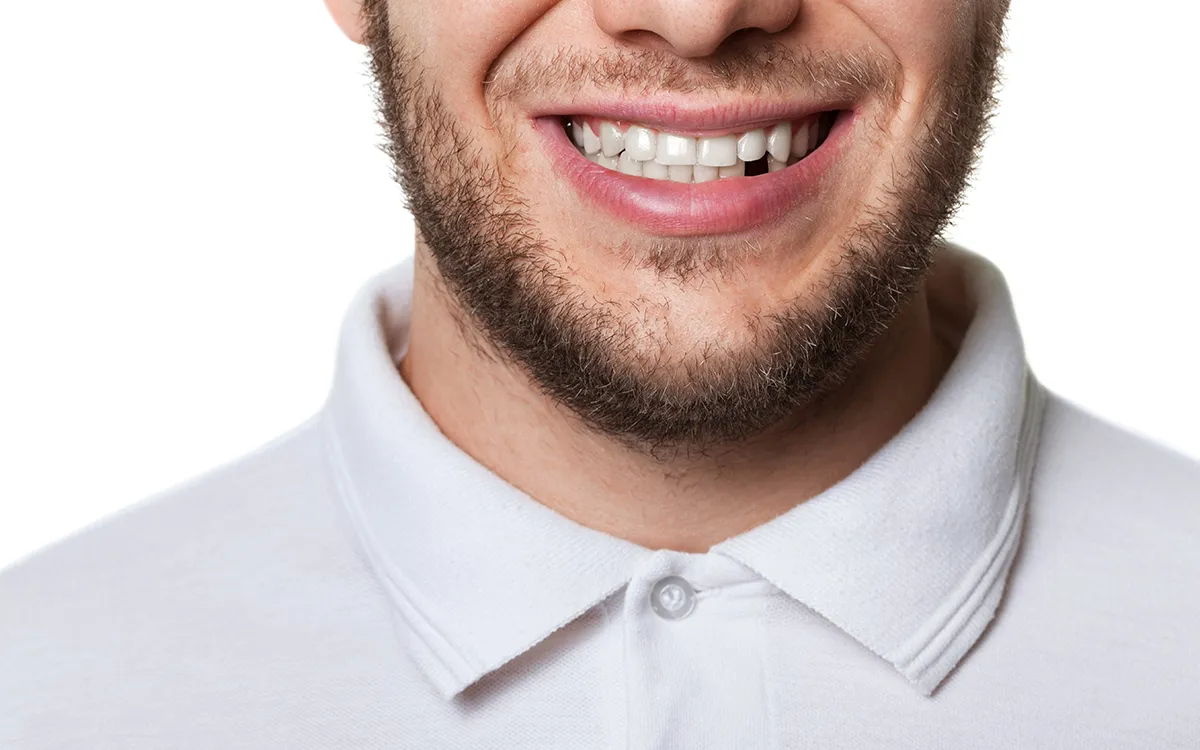
- Cracked or fractured bases
- Chipped or missing teeth
- Broken clasps in partial dentures
- General weakening of acrylic
- Dropping the denture
- Grinding or clenching
- Poor fit stressing certain areas
- Biting hard or sticky foods
Important note: Avoid DIY fixes or household adhesives. They can damage your denture and harm your gums.
Even with the best care, dentures eventually reach a point where relines or repairs aren’t enough. Replacement dentures restore comfort, function, and appearance.
Signs you may need a replacement- The denture no longer fits even after adjustments
- Multiple fractures or ongoing breakages
- Staining or thinning of the base
- Changes in your facial support
- Difficulty eating or speaking
- The denture is over 5–7 years old
Modern replacement dentures look more natural, feel more comfortable, and can dramatically improve your confidence and function.
Daily at-home care for dentures
Good habits help protect your gums and extend the life of your dentures.
Rinse after meals
Brush daily with a soft denture brush
Use non-abrasive denture cleanser only
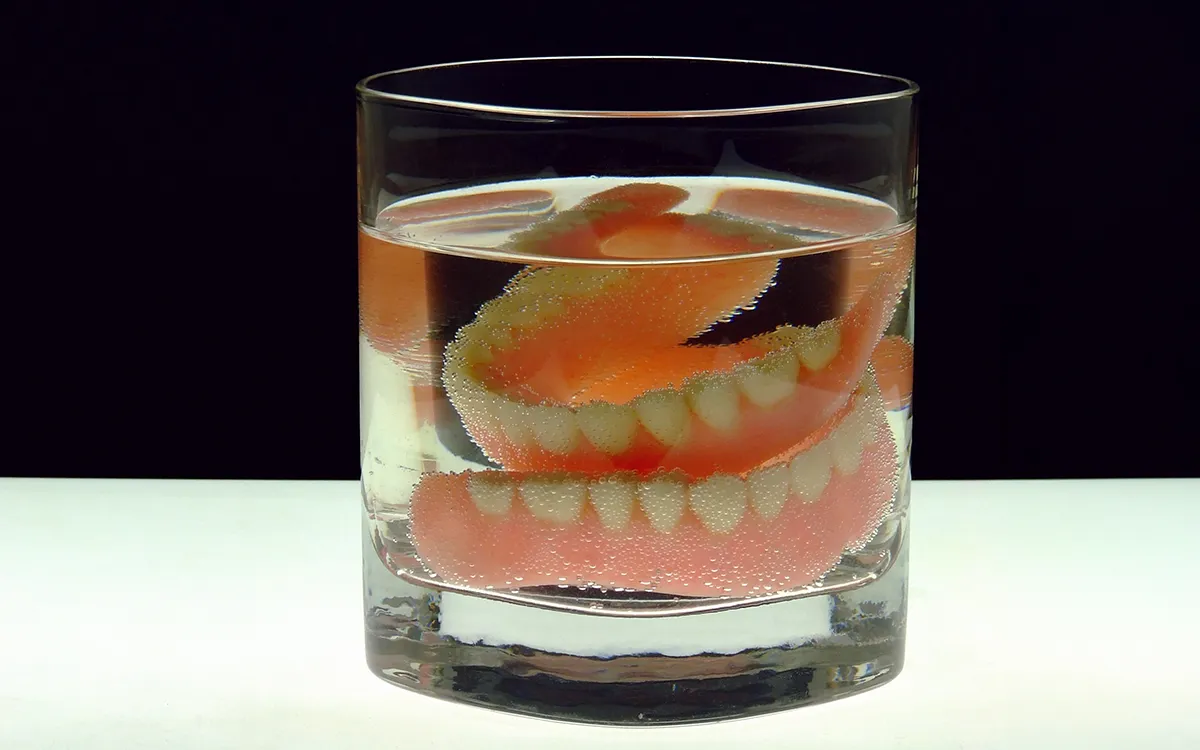
Soak dentures overnight
Clean your gums, tongue, and palate
Handle dentures over a soft towel or basin of water
Don’t use regular toothpaste (too abrasive)
Don’t use boiling water
Don’t bleach dentures
Don’t attempt DIY repairs
Don’t wear dentures 24/7
These simple steps prevent infections and keep your denture in great shape.
Great dentures for life
Your dentures play a huge role in your everyday comfort, helping you enjoy meals, speak clearly, and smile with confidence. And just like anything you rely on daily, they need a little routine care to stay in top shape. The RRR protocol of reline, repair, and replace helps ensure your dentures continue to fit well and support your oral health as your mouth naturally changes over time.
So, what’s the best way to keep everything running smoothly? Regular dental check-ups and excellent daily habits. It’s that simple.
A dentist can spot early signs of wear, fit issues, or gum changes long before they become painful or expensive to treat. Combine those visits with gentle cleaning at home, proper denture storage, and awareness of how your dentures feel, and you’ll set yourself up for years of comfort and confidence.
If it’s been a while since your last denture check, or something just doesn’t feel quite right, now’s a great time to reach out. A simple adjustment or professional assessment might be all you need to feel comfortable again. Your smile deserves that kind of care.