Why is my child’s injured tooth turning grey?
The tears dried, the bleeding stopped, and the accident slowly faded into memory. It may have happened weeks ago. A small tumble at the playground. A bump into the coffee table. A collision during a game with siblings. Life quickly returned to normal.
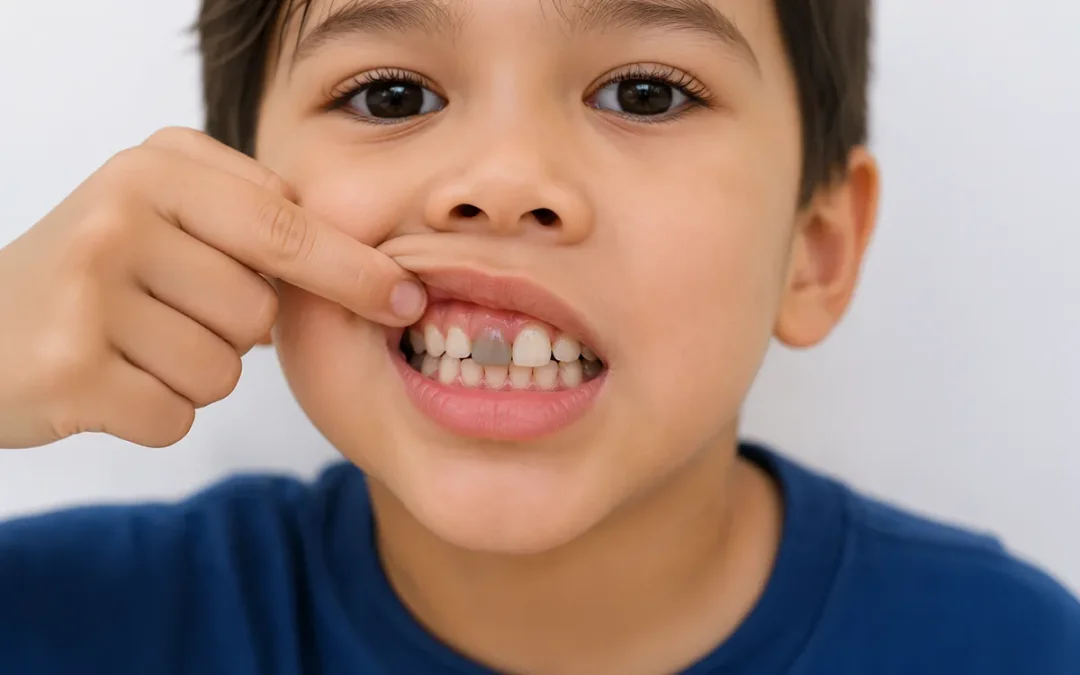
Then one morning, while your child is smiling over breakfast, you notice something unsettling. The tooth that was bumped now looks darker. Grey. Shadowy. Different from the others.
For many parents, the sight is alarming. Thoughts immediately race towards worst-case scenarios. Is the tooth dying? Will it need to be removed? Should we have gone to the dentist sooner?
In many cases, a grey tooth after an injury is a common response to dental trauma. Teeth can bruise internally, much like skin does after a knock. The colour change is the tooth’s way of showing that something happened beneath the surface.
That said, a grey tooth should never be ignored. A professional dental assessment helps determine whether the tooth is healing normally or whether further care may be needed.
A tooth can “bruise” after an injury
Inside every tooth is a soft tissue centre called the dental pulp. This area contains tiny blood vessels and nerves that keep the tooth alive.
When a child falls or receives a knock to the mouth, the impact can damage these delicate structures. Even if the tooth does not crack or break, the force may rupture small blood vessels inside the tooth.
As the blood cells break down internally, pigments from the blood begin to stain the inner layer of the tooth, called dentin. This staining slowly shows through the enamel, creating a grey, purple, or darkened appearance.
The colour change often does not happen immediately. Some teeth darken within days, while others change weeks after the injury. That delayed timing is one reason parents are often caught off guard.

Grey does not always mean the tooth is “dead”
A darkened tooth can indicate that the nerve inside the tooth has been injured. However, this does not always mean the tooth is beyond saving.
Children’s teeth, particularly baby teeth, can sometimes recover surprisingly well after trauma. Some injured teeth stabilise, remain comfortable, and continue functioning normally for years despite the colour change.
In other cases, the nerve inside the tooth may gradually lose vitality. This is why monitoring is important.
Dentists look at several factors, not just colour alone, when determining whether treatment is needed.
What different tooth colours can mean
The shade of the tooth may provide clues about what is happening internally.
A dark grey colour commonly suggests internal bleeding or damage to the pulp tissue after trauma. The tooth may simply require monitoring, though it can also indicate that the nerve is struggling.
A yellow appearance can sometimes be a positive sign. It may mean the tooth is laying down extra dentin as a protective response after injury. This process is called calcific healing.
A pink tooth is less common but can occur when blood products are visible through the enamel. It should still be assessed professionally.
Colour alone never tells the full story. Clinical examination and X-rays provide a much clearer picture of the tooth’s health.
Baby teeth and adult teeth react differently
The age of your child and the type of tooth involved make a significant difference.
Baby teeth are often more resilient than parents expect.
A grey baby tooth may remain stable, pain-free, and functional until it naturally falls out. Dentists frequently adopt a careful “watch and wait” approach if there are no signs of infection or discomfort.
The main concern is protecting the developing adult tooth underneath. An assessment helps ensure the injury has not affected the permanent tooth bud.
Permanent teeth require closer attention after trauma.
Adult teeth do not recover as predictably from nerve injuries, particularly if the tooth becomes increasingly dark over time. Early evaluation is important because prompt treatment may improve the long-term outcome.
A traumatised permanent tooth may eventually require monitoring, root canal therapy, or other restorative treatment depending on the severity of the injury.
What the dentist will check during the visit
A dental visit after trauma is usually quick, gentle, and reassuring for children.
The dentist may examine:
The tooth will be checked for looseness or signs of structural damage.
The surrounding gums are assessed for swelling, infection, or tiny pimple-like bumps that may signal an abscess.
Dental X-rays help evaluate the root, surrounding bone, and developing permanent teeth. They also help detect hidden fractures or infections that may not yet be visible externally.
The dentist may compare colour changes, sensitivity, and healing during follow-up visits. Traumatic dental injuries often need periodic monitoring rather than immediate intervention.
When a grey tooth becomes an emergency
Many grey teeth can simply be monitored. Certain symptoms, however, should never be ignored.
Arrange a dental appointment promptly if your child experiences:
- Pain when biting or chewing
- Swelling around the gums or face
- A small bubble or pimple near the tooth
- Fever alongside dental symptoms
- Increasing looseness of the tooth
- Difficulty eating
- Persistent sensitivity
- Bad taste or discharge from the gums
These signs may indicate infection and require timely treatment.
Can a grey tooth turn white again?
The colour you see today is only part of the story. Whether a tooth returns to its original colour depends on the extent of the injury and the healing that follows. Some traumatised teeth gradually lighten over time, while others remain darker permanently despite being healthy, comfortable, and fully functional.
For baby teeth, cosmetic treatment is rarely necessary unless there are complications.
For permanent teeth, treatment options may later include internal whitening, bonding, veneers, or crowns if appearance becomes a concern.
The most important priority is always the health and stability of the tooth itself.
Keeping kids safe from dental injuries
Not every accident can be avoided. Children are naturally active, adventurous, and constantly learning through movement.
A few simple measures can help reduce the risk of dental trauma:
- Encourage mouthguards for contact sports
- Childproof sharp furniture edges at home
- Supervise high-risk play activities
- Maintain regular dental check-ups
- Address protruding front teeth early if recommended by your dentist
Strong oral hygiene also supports healing after dental injuries. Healthy gums and clean teeth create a better environment for recovery.
A grey tooth is a signal, not a reason to panic
Seeing your child’s tooth turn grey can be confronting, especially when the injury seemed minor at the time. In most cases, it is simply the visible aftermath of trauma that occurred beneath the surface.
Many injured teeth remain comfortable and functional for years. Others require monitoring or treatment to protect long-term oral health. The only reliable way to know is through a professional assessment.
A gentle dental examination provides clarity, reassurance, and peace of mind. It also ensures any hidden complications are identified early, before they become more serious.
If your child has experienced a knock to the mouth and you have noticed changes in colour, sensitivity, or swelling, arranging a dental visit is the safest next step. Early care helps protect growing smiles and supports healthy development for the future.