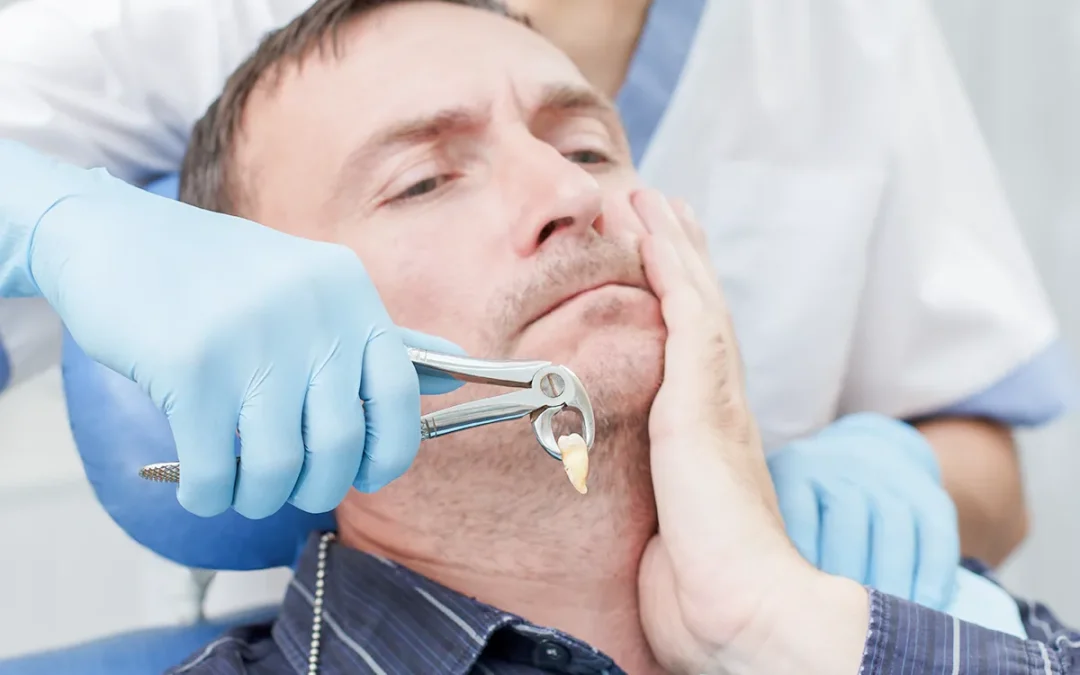
Why tooth extraction usually isn’t the answer
Modern dentistry has evolved far beyond simply removing what causes discomfort. Today, the focus is on preserving what already works. A natural tooth is not just a structure; it is a living component of a finely balanced system that supports chewing efficiency, jaw stability, and facial form.
Extraction can feel like a quick fix, but it often creates long-term consequences that extend beyond the site of removal. Every tooth plays a role in maintaining harmony within the mouth. Once removed, that balance shifts.
Understanding why extraction should remain the final option allows patients to make decisions that protect both present comfort and future oral health.
Philosophy of preservation
A natural tooth root is a biologically integrated structure that no artificial replacement can fully replicate. It connects to the jawbone through the periodontal ligament, a specialised tissue that absorbs force and provides sensory feedback. This connection allows for precise bite control and protects surrounding structures from excessive stress.
Artificial replacements, while highly effective, do not fully restore this natural feedback system. Preservation, therefore, remains the gold standard whenever clinically viable.
Dentistry has moved away from reactive treatment towards proactive preservation. Where tooth extraction was once a common response to infection or damage, modern care prioritises stabilisation, infection control, and structural reinforcement.
This shift reflects a deeper understanding of long-term outcomes. Saving a tooth often supports better function, aesthetics, and cost efficiency over time.
Natural teeth maintain bone stimulation and facial structure. Their presence preserves jaw integrity and helps sustain a balanced, youthful profile. Retaining them is not only a dental decision but a broader investment in overall health and appearance.

Trouble after tooth extraction
The removal of a single tooth creates space that neighbouring teeth gradually occupy. This movement, known as drifting, disrupts alignment and can lead to crowding or gaps. Opposing teeth may also over-erupt into the empty space, further destabilising the bite.
The jawbone relies on stimulation from tooth roots to maintain its density. Once a tooth is removed, that stimulation ceases. Over time, the bone in that area begins to shrink, a process called resorption. This can alter facial contours and complicate future restorative treatments.
Each tooth helps distribute chewing forces evenly. When one is lost, the remaining teeth absorb additional pressure. This imbalance can accelerate wear, increase the risk of fractures, and strain the jaw joints.
The effects are gradual but cumulative. A single extraction can influence the entire system, often necessitating further treatment to regain stability and function. Even then, it’s not the same as having the original resilient, natural tooth.
Modern alternatives to tooth extraction
Root canal therapy has advanced significantly, allowing clinicians to treat deep infections while preserving the natural tooth. Improved imaging, precision tools, and enhanced materials have increased success rates and patient comfort.
Gum disease, once a leading cause of tooth loss, can often be stabilised with modern periodontal care. Deep cleaning techniques, targeted therapies, and maintenance programs help retain teeth that might previously have been considered unsalvageable.
Teeth weakened by decay or fracture can often be restored using crowns or onlays. These restorations protect the remaining structure, restore function, and extend the life of the tooth.
Preservation is often achievable with the right combination of diagnosis, technique, and timing.
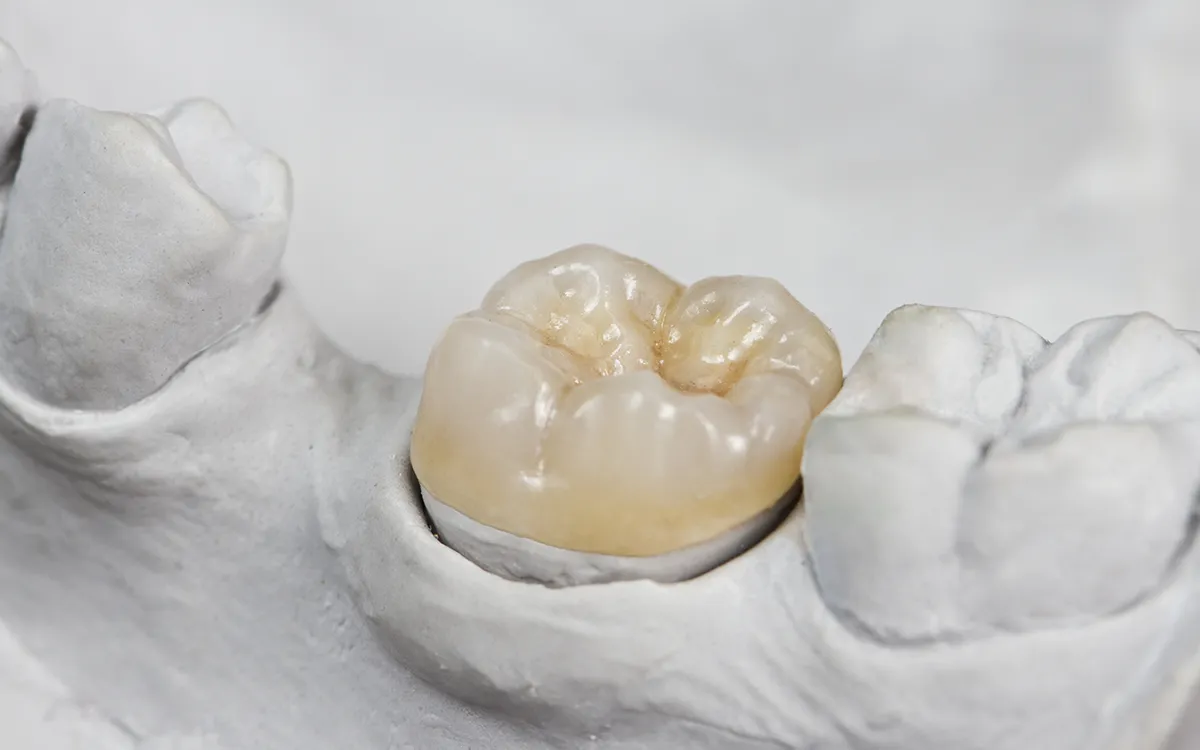
Assessing the “non-restorable” tooth
Determining whether a tooth can be saved requires a careful evaluation. Dentists assess factors such as fracture depth, extent of decay, bone support, and overall structural integrity. Advanced imaging provides a clearer view of what lies beneath the surface.
The decision is not purely clinical; it also considers long-term outcomes. Saving a tooth may involve more immediate effort, yet replacing an extracted tooth often requires implants, bridges, or dentures, each with ongoing maintenance and cost.
Preservation frequently offers greater long-term value, both functionally and financially.
A second opinion can provide clarity, particularly in complex cases. Treatment philosophies may vary, and a broader view ensures that all viable options are considered before making a permanent decision.
When is extraction truly the only option?
There are clinical situations where preserving a tooth is no longer predictable or safe. In these cases, removal becomes the most responsible course of action to protect overall oral health and prevent the spread of damage or infection.
Tooth extraction is typically necessary when:
A crack that extends deep below the gum line compromises the structural integrity of the tooth. These fractures cannot be predictably restored and often lead to persistent infection.
When decay reaches far beneath the gum or into the root, there may be insufficient healthy structure to support a restoration.
Significant bone loss and mobility can leave the tooth without adequate support, making long-term retention unviable.
Teeth that are extensively broken down, whether from trauma or long-standing decay, may not have enough remaining structure to rebuild.
In rare cases where endodontic or periodontal therapies fail to resolve infection, removal may be necessary to protect surrounding tissues.
In these circumstances, tooth extraction is not a compromise. It is a considered decision aimed at preserving the health of the wider oral system.

Planning for replacement
When removal is unavoidable, the focus shifts to maintaining stability and function. Prompt replacement planning is essential to prevent unwanted changes in alignment, bone density, and bite dynamics.
Options such as dental implants, bridges, or partial dentures are designed to:
- Maintain proper spacing and alignment
- Preserve jawbone structure
- Restore chewing efficiency and comfort
- Support long-term oral balance
Timely intervention helps prevent the cascade of changes that often follow untreated tooth loss. With careful planning, the transition from removal to restoration can be smooth, controlled, and supportive of long-term health.
A commitment to long-term health
A natural tooth is more than a functional unit. It is part of a system designed for efficiency, balance, and longevity. Preserving it wherever possible supports not only oral health but also overall wellbeing.
Regular dental visits, early intervention, and consistent oral hygiene remain the most effective strategies for avoiding complex treatment decisions. Small issues addressed early rarely progress to the point where extraction is considered.
Choosing preservation reflects a commitment to long-term health. It is a decision grounded in care, foresight, and respect for the body’s natural design.
A trusted dental professional can guide this process, ensuring that every option is explored and every decision supports a stable, functional, and enduring smile.